January Weather in Kent 2026: A Complete Guide & What to Wear
January weather can be a real mix of everything. While we sometimes get those crisp, beautiful frosty mornings that make the “Garden of England” look like a winter wonderland, more often than not, it’s just a bit damp and grey with the odd biting wind coming off the coast. That said, Kent is actually one of the sunnier and warmer spots in the UK, so it’s not all doom and gloom!
If you are thinking of visiting Kent in January, I hope my weather guide will help you to plan the perfect winter trip to our lovely county.

What’s the January weather like?
Most years, January in Kent is chilly, quite wet and much colder than weather in December. You can expect average daytime temperatures to sit around 6°C (43°F), while at night it often drops down to 1°C or 2°C (34–36°F). It’s very common to wake up to a “white frost” on the grass, especially if you are staying further inland near places like Ashford or Tunbridge Wells.
One thing to know about Kent’s weather: because we are surrounded by sea on three sides, it can feel very damp. Unlike the dry cold you might find in central Europe, a +4°C day in Canterbury can feel much colder because of the humidity and the breeze. As long as you’ve got a good waterproof coat and a warm scarf, you’ll be fine for a walk along the White Cliffs or through our historic towns.
January is the ultimate “low season” here, so it’s a brilliant time to visit famous spots like Canterbury Cathedral, Dover Castle or Leeds Castle without the huge summer crowds. On average, we get about 2 hours of sunshine a day, but with 18 days of the month seeing some rain, you should definitely have a “Plan B” that involves a cosy pub with a roaring fire!

Average temperatures in January
January is usually the coldest month of the year in Kent, though we rarely see the extreme sub-zero temperatures found elsewhere.
- At the beginning of January: Average highs are about 6°C to 7°C, and nights are cold, often hovering just above freezing.
- By the middle of the month: Things stay fairly steady, though this is often when we get our coldest “snaps” if the wind blows in from the East.
- Toward the end of January: You might notice it staying a tiny bit milder, but don’t expect spring just yet—highs rarely climb above 8°C and the February weather in Kent still stays quite cold.

January daylight
The days in January start out very short, but you’ll notice a real difference by the end of the month. On New Year’s Day, the sun doesn’t rise until about 8:00 a.m. and sets before 4:00 p.m., giving us only about 8 hours of light to plan all the amazing things to do in Kent in January.
By the end of January, the sun stays up until nearly 4:50 p.m. It’s only an extra hour, but it makes a world of difference for afternoon walks!
Kent Daylight in January 2026
| Week | Date | Sunrise | Sunset | Total Daylight |
| Week 1 | Jan 1, 2026 | 08:00 | 15:58 | 7h 58m |
| Week 2 | Jan 8, 2026 | 07:58 | 16:08 | 8h 10m |
| Week 3 | Jan 15, 2026 | 07:53 | 16:19 | 8h 26m |
| Week 4 | Jan 22, 2026 | 07:46 | 16:31 | 8h 45m |
| Week 5 | Jan 31, 2026 | 07:34 | 16:47 | 9h 13m |
The average snow weather forecast for January
Snow in Kent is a bit of a gamble. Because we are so close to the continent, we sometimes get “The Beast from the East” which can dump several inches of snow, particularly on the North Downs hills.
However, in a normal January, we only see about 1 or 2 days of snow, and it often turns into “slush” (melted, messy snow) pretty quickly. You are much more likely to see rain or sleet than a settled blanket of white. If you’re at the coast (like in Margate or Dover), the salt air often prevents snow from settling at all.

Humidity, Wind, and Fog
- Humidity: Kent stays very humid in January (around 85%). This “damp cold” is what makes the British winter feel so “biting.”
- Wind: It can be very breezy, especially at the coast. Average wind speeds are around 15–20 mph, but gale-force gusts aren’t uncommon near the cliffs.
- Fog: You’ll often see “sea fret” or mist in the early mornings, especially in the valleys or near the Thames Estuary. It usually clears by lunchtime, leaving the countryside looking quite atmospheric.

Average rain weather forecast in January
January is one of our wettest months. We get about 70mm of rain on average. Usually, this isn’t a massive tropical downpour, but rather a persistent “mizzle” (misty drizzle) that can last all day.
I find that it rarely rains constantly for 24 hours. Usually, you’ll get a wet morning followed by a grey, dry afternoon. Just keep a small umbrella in your bag or wear waterproof jacket!

Average sun days in January
Kent is officially one of the sunniest counties in the UK, but in January, “sunny” is a relative term. We get about 60 hours of sunshine in total for the month. You can expect maybe 5 to 7 days where the sun actually comes out properly. When it does, the light is very low and golden—perfect for photography!

How to read the local weather forecast
In the UK, we use Celsius. One thing you must watch out for is the “Feels Like” temperature.
Because of the wind chill off the English Channel, a forecast might say 6°C, but the “Feels Like” could be 1°C. Always dress for the “Feels Like” number!
Also, check the hourly forecast. A sunny morning can turn into a very rainy afternoon in a matter of minutes. In the UK, we always say “if you don’t like the weather, wait ten minutes—it’ll change!”

What to Wear in Kent in January
When I’m out exploring Kent in January, I always think about waterproofing. There’s nothing worse than getting damp and then feeling the wind.
I recommend a thick, waterproof parka with a hood. You’ll also want a warm hat (a beanie is best so it doesn’t blow off in the wind!), a thick scarf, and gloves.
For footwear, leave the suede shoes at home! The countryside paths in Kent get very muddy in January. If you’re visiting a farm or walking the trails, wellies (Wellington boots) or sturdy waterproof hiking boots are a must. For the towns, leather boots with a good grip are perfect for the wet pavements.
What to pack for your Kent trip
- Layers, layers, layers: A thermal T-shirt, a wool jumper, and your coat.
- Thick socks: Woolly socks are a lifesaver if you’re standing on cold station platforms or walking the coast (alternatively wear two pairs of socks to keep warm).
- Lip balm: The sea wind can really chap your lips.
- A sturdy umbrella: Not a cheap flimsy one—the Kent wind will turn it inside out! Sometimes it’s better to have a good rain jacket than an umbrella as it’s difficult to handle it in the wind.
- Power bank: Cold weather makes phone batteries run out much faster.
What does Kent’s nature look like in January?
Kent is the “Garden of England,” but in January, the garden is mostly sleeping. The orchards are bare, and the famous hop gardens just look like rows of tall poles.
However, keep your eyes peeled for first snowdrops! By the end of the month, these little white flowers start popping up in churchyards and woods—they are the very first sign that winter is losing its grip. You might also see yellow Winter Aconites or gorse bushes starting to bloom on the heaths.
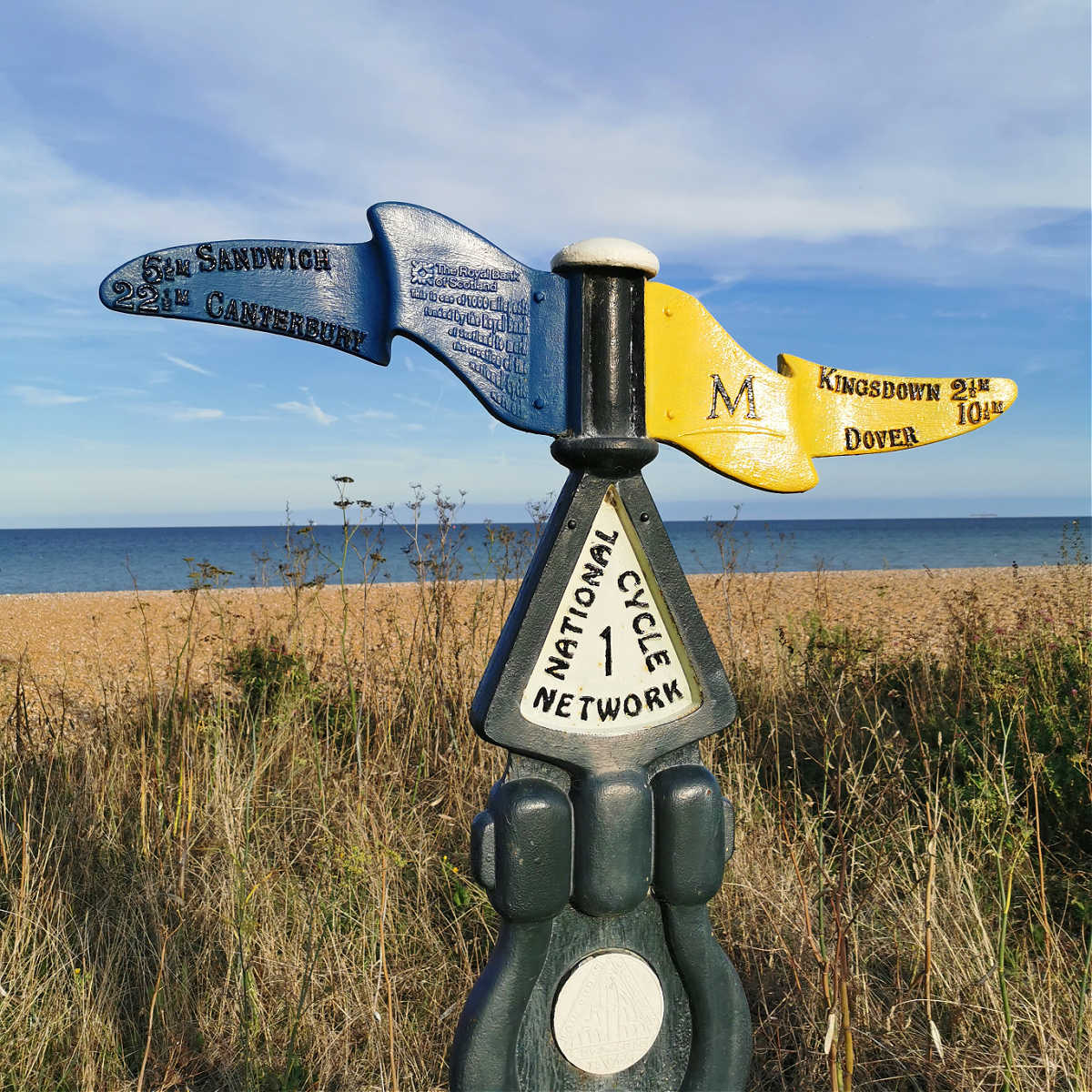
Whilst inland the country looks rather sad as most trees are without leaves, the coastline is still amazing place for a lovely winter walk. Obviously it’s very cold, but if you get the sun for a few hours, it can feel quite warm.
Historic weather data for Kent in January
January in Kent is a battleground between mild Atlantic air and freezing continental winds. This results in some truly staggering temperature gaps.
The All-Time Low: On January 30, 1947, during the infamous “Big Freeze,” the village of Elmstone (near Canterbury) recorded a bone-chilling -21.3°C (-6.3°F). This remains one of the coldest temperatures ever recorded in Southern England.
The All-Time High: On January 27, 2003, a freak “Föhn effect” (where air warms as it descends a slope) saw East Malling hit 17.4°C (63.3°F). People were famously seen walking in t-shirts in Maidstone while the rest of the country was in winter coats.
The Record High Average: January 1916 remains the mildest on record for the region, with persistent southwesterly gales keeping the frost away and making the month feel more like a damp April.
Big Sea Freeze: During the “Big Freeze” of 1963, January was so cold that the sea actually froze for a mile out from the shore at Herne Bay. People were able to walk out onto the ice, and the salt water in the harbors turned into a thick, slushy “ice soup.” It is the only time in living memory that the Kentish coast has looked like the Arctic.
The Great Snow: While the “Great Storm” of October 1987 is more famous, January of that same year saw a “snow bomb.” A freak weather pattern dumped over 50cm (20 inches) of snow across Kent in just a few days. The Isle of Sheppey was completely cut off from the mainland and had to have food supplies airlifted in by RAF helicopters.
Storm Surge: On the night of January 31, 1953, a massive storm surge in the North Sea hit the North Kent coast. Waves 20ft high crashed into Margate and Sheerness. While Kent escaped the high death tolls seen in the Netherlands, the damage to the sea walls was so severe it led to a total redesign of the county’s coastal defenses.
The wettest January: In 2014, Kent experienced its wettest January in over 100 years. Some parts of the county received 2.5 times their usual rainfall, leading to the “Great Winter Floods.” The village of Yalding became a national news symbol as the Medway burst its banks, leaving the historic village center underwater for weeks.
This blog post was originally published on 26 December 2025 and last updated on 26 December 2025


